BT Law Group, PLLC — Florida Hostile Work Environment Lawyer
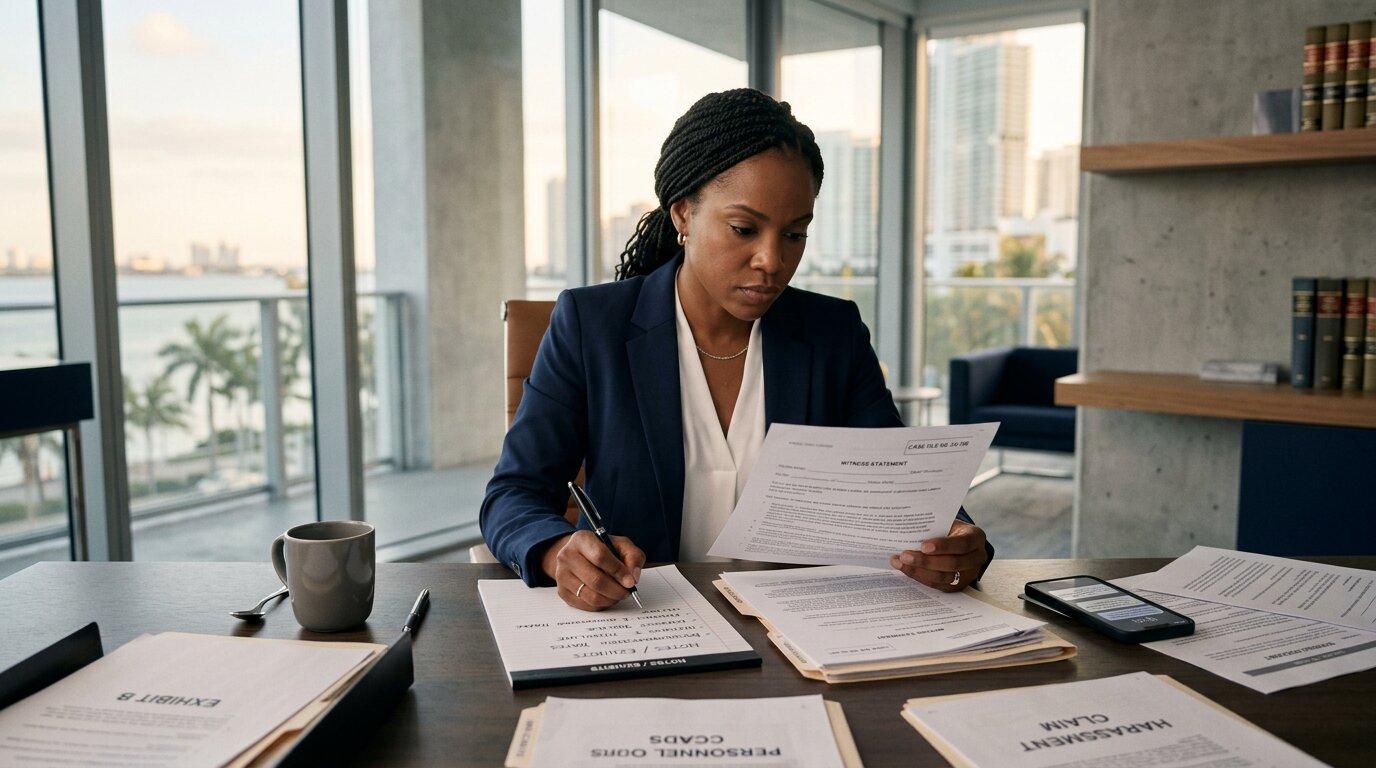
Hostile work environment claims in Florida often hinge on the records people keep. Clear contemporaneous notes and preserved messages help show patterns over weeks or months. Employers and investigators rely on dates, witnesses, and written complaints to reconstruct events. Documentation does not replace testimony, but it often shapes how a case moves forward.
BT Law Group, PLLC, 3050 Biscayne Blvd STE 205, Miami, FL 33137, United States, (305) 507-8506, https://btattorneys.com/
Florida hostile work environment claims can arise under state and federal law. Agencies like the U.S. Equal Employment Opportunity Commission and the Florida Commission on Human Relations handle many complaints. Court filings follow administrative steps in some cases, which makes timing and records important. Claimants and employers both face questions about what happened and when.
What Documentation Shows
Written messages and emails often provide the clearest timeline. Threads that record dates and times help show whether conduct was isolated or repeated. Contemporaneous notes that describe specific comments, locations, and witnesses add context. Photographs, screenshots, and calendar entries can supplement written accounts when dates are disputed.
Witness statements matter when they confirm or contradict other records. Colleagues who independently recall events can help establish a pattern. Notes taken close in time to an incident usually carry more weight than recollections years later. Employer notes and HR records also serve as contemporaneous documentation for both sides.
Official employer records may include performance reviews, attendance logs, and discipline notes. Those entries can show motive, timing, or retaliatory conduct after a complaint. Access to personnel files varies, and some records may be redacted for privacy. Still, those documents often influence how a decisionmaker views credibility.
How Documentation Affects Case Process
Documentation often guides the initial administrative review. When an EEOC or state charge arrives, the agency looks for facts that support a claim. Clear records can speed an inquiry or create pressure for settlement. Poor or missing records can slow investigations and complicate early case review.
Preservation of records matters because evidence can disappear over time. Employers may purge old emails or change file systems. Lost records can lead to disputes about what was destroyed and why. Courts and agencies notice gaps, and lost evidence can affect motion practice and discovery disputes.
During discovery, documented timelines reduce reliance on memory alone. Depositions often probe inconsistencies between testimony and written records. A chain of messages or a documented complaint can resolve conflicting stories. Well-organized records make it easier to prepare for depositions and hearings.
Medical and counseling records sometimes enter hostile work environment cases when stress or health impacts are claimed. Those files can connect workplace conduct to physical or emotional harm. Medical notes, however, require careful handling because they involve privacy rules. When medical records are part of a case, documentation that ties treatment dates to workplace events often proves useful.
Pattern and practice claims rely heavily on statistics and repeated incidents. Documentation across multiple employees or departments can show systemic problems. Payroll records, complaint logs, and internal investigations help reveal whether misconduct was isolated. Expert support may analyze patterns, but the raw records start the inquiry.
Witness memory often fades, so contemporaneous statements tend to be more persuasive. A coworker’s note from the day after an event carries different weight than a later recollection. Statements that align with timestamps in emails or logs add credibility. Disputed accounts often come down to which records the factfinder finds more reliable.
Documentation also plays a role in settlement conversations and negotiation. Parties often evaluate claim value by reviewing the strongest records. A clear, dated file of complaints and responses can increase leverage in talks. Lawyers on both sides use documentation to estimate litigation risk and possible outcomes.
Florida’s workplace landscape creates special documentation challenges. Seasonal industries, remote work, and shift schedules can complicate timelines. Employers with multiple locations may store records differently, which affects how easy it is to gather evidence. Local customs in hospitality, construction, and retail sometimes shape how incidents get reported and recorded.
BT Law Group, PLLC assists clients by organizing records and reviewing timelines early in a case. The firm’s role often includes identifying key documents that match witness accounts and administrative filings. Early case review helps determine which records will matter in discovery and in any negotiation. Court experience and motion practice can follow when documentation supports a claim or defense.
Finally, documentation influences credibility and case strategy throughout litigation. Clear, consistent records can make an investigation faster and a resolution cleaner. Conversely, missing or messy evidence can lead to contested discovery and longer disputes. Documentation does not guarantee a result, but it often shapes how a hostile work environment matter unfolds in Florida courts and agencies.
